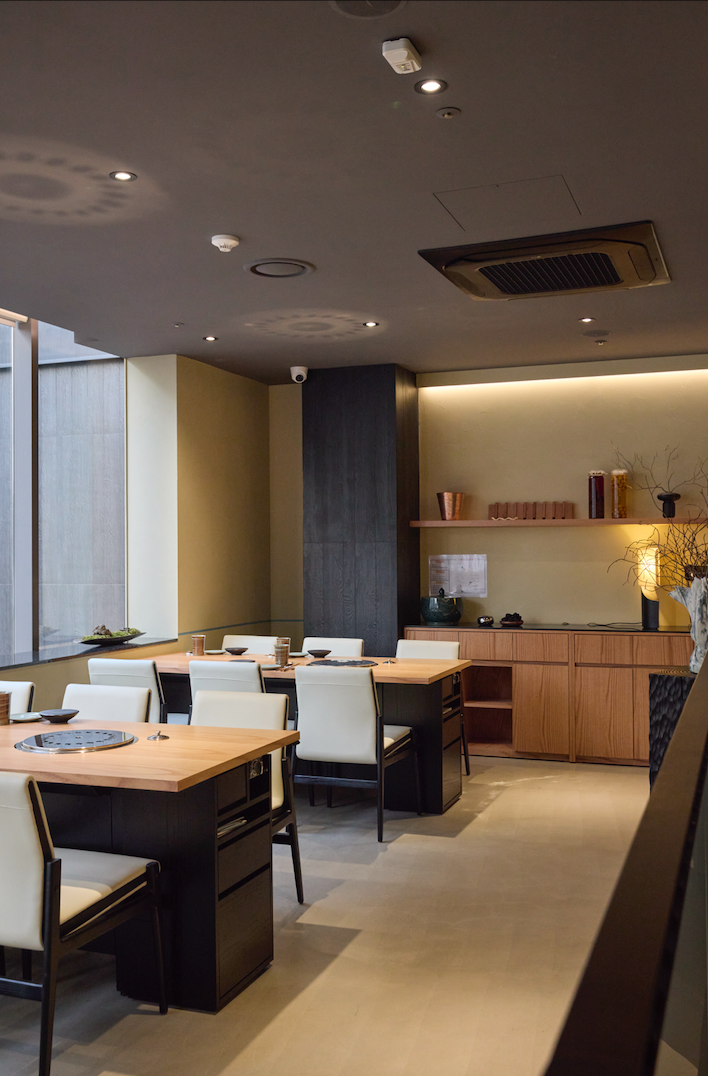
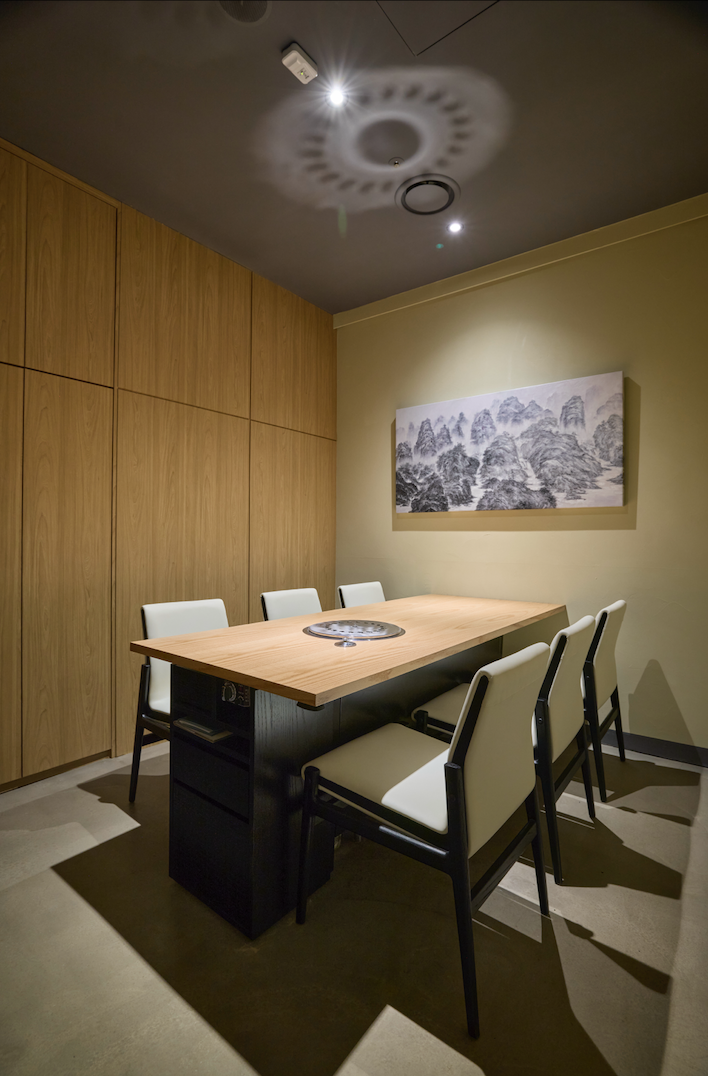
Looking for Korean galbi restaurant Seoul? Seolya Galbi Cheongdam offers a cut-by-cut beef dinner in Gangnam with staff handling the grill. This guide connects a specific travel plan with the menu and reservation details that matter.
Language and essential ingredient questions
Use the official English or Japanese menu to prepare a concise note with the selected dishes. A translated website helps with reading, but it does not establish a dedicated interpreter or a particular server’s language ability. If an allergy, religious condition or ingredient restriction matters, ask the restaurant directly and describe the requirement precisely. Beef in the restaurant’s identity is not a complete declaration for sauces, broths or accompaniments. Keep unresolved conditions unresolved rather than replacing them with a confident assurance. The useful outcome is a clear request and an actual reply, not a made-up promise about food suitability or spoken-language support.
Bulgogi as a day-specific alternative
The Sunday selection includes Gwangyang-style sirloin bulgogi as a separate dish. Read its day-specific context rather than using an old lunch reference to assume it is available every lunchtime. The current notices say lunch is paused, while Sunday items are described for Sundays. If that dish is central to the plan, ask about the actual date and keep an alternative from the relevant menu. The point is to match a desired preparation to confirmed operating conditions, not to turn a photograph or a historical listing into a stock reservation.
The relevant official details
The menu lists gomtang at KRW 19,000, each of the two noodle dishes at KRW 13,000, crab doenjang stew at KRW 14,000 and rice at KRW 2,000 separately. Hojicha bingsu is KRW 19,000. These are individual selections, not an automatically included galbi course.